FSB hosts the WATERVILL project kick-off meeting
On 4 and 5 February 2026, FSB hosted the kick-off meeting of the WATERVILL project in Zagreb, formally launching work on innovative solutions for water supply in rural and mountainous areas of the Mediterranean.
Partners introduced their institutions and expertise, defined the work plan and agreed on the project’s key activities. A related Interreg Euro-MED project, AquaBioNets, also coordinated by FSB, was presented as well.
A highlight was a field visit to the HydroStation monitoring system in Lazina near Zagreb, developed by GEOLUX: a solar-powered, fully autonomous hydrological station providing real-time data.
Project objectives
- Optimise and modernise rural water-supply systems
- Reduce water losses and improve water quality
- Develop smart tools for leak detection and consumption monitoring
- Promote nature-based solutions to protect water resources
WATERVILL runs for 45 months under the Interreg Euro-MED Programme with a budget of EUR 3,686,745.44, testing new technologies in rural areas across Montenegro, North Macedonia, Slovenia and Bosnia and Herzegovina.
Pilot online courses launched on the ICARUS platform
As part of the AGRI-DIGITAL GROWTH project (Interreg Central Europe), a set of pilot online courses on precision agriculture has been published on the ICARUS learning platform.
FSB authored one of the courses, focused on sustainable energy solutions in agriculture, connecting the lab’s energy-systems expertise to the practical needs of the farming sector. The courses are open and designed to help farmers, advisors and students adopt digital and energy-efficient practices.
Explore the courses: ICARUS ADG platform →
FSB hosts the 3rd Africa-EU scientific exchange (EMERGE)
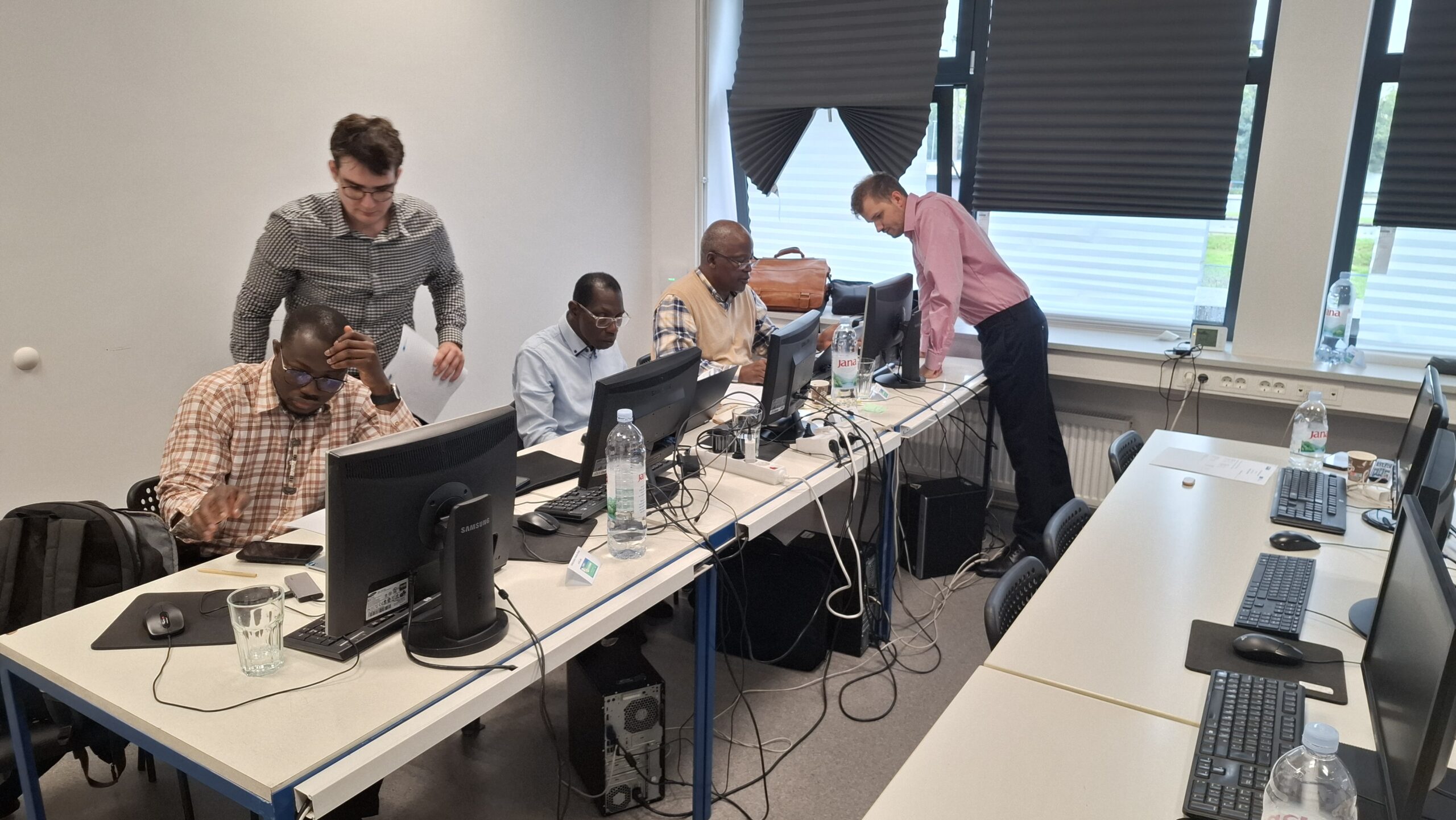
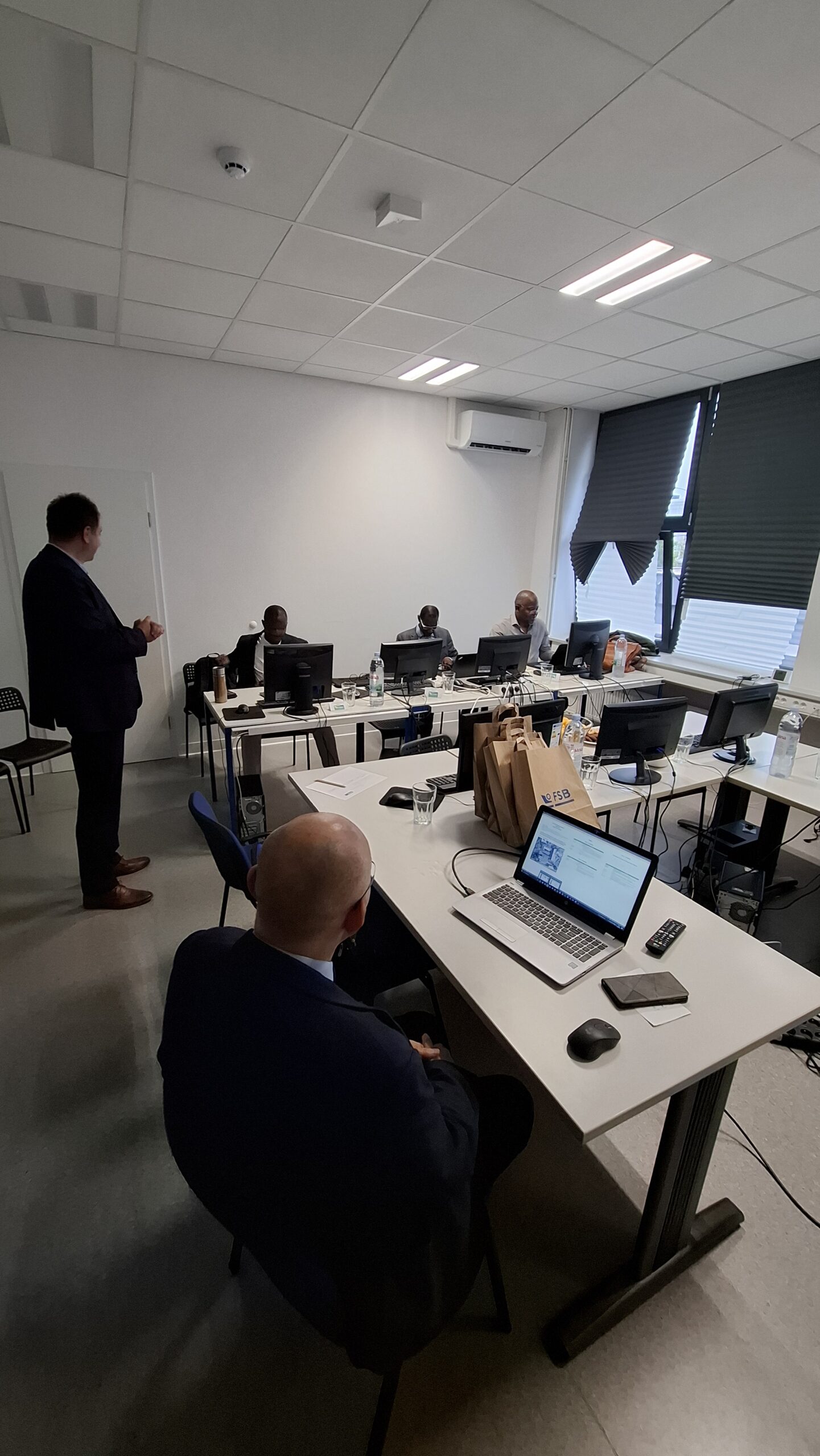
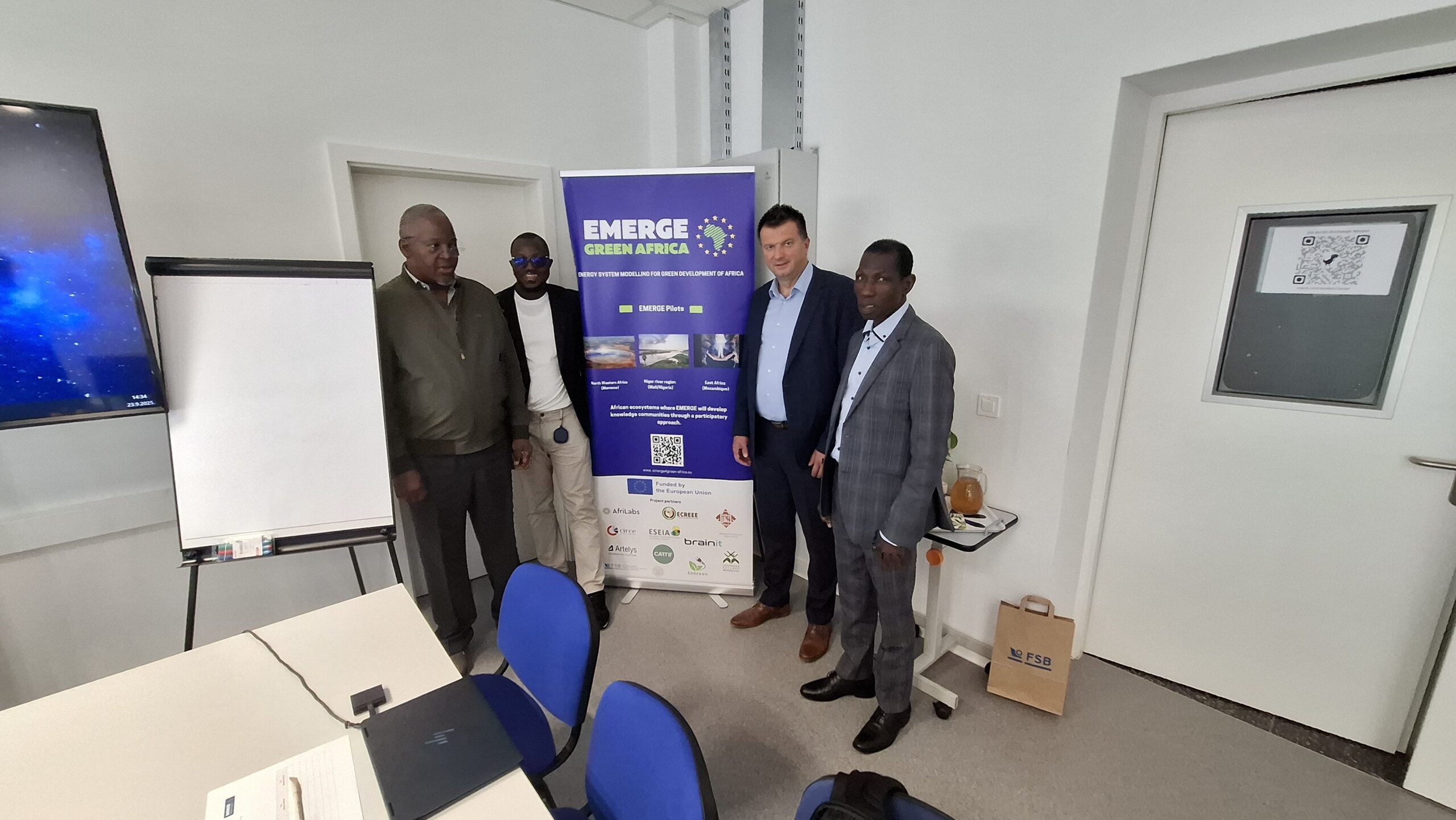
This week the laboratory hosted energy experts and researchers from Africa and Europe as part of the EU project EMERGE, the third scientific and professional exchange between the African and European Union.
The three-day programme was dedicated to energy modelling and planning, with particular focus on the GREENADVISE tool for optimising investment in renewable energy sources. Through workshops, training and discussions, participants exchanged experience and best practices, and visited the Regional Centre of Excellence for Robotic Technologies (CRTA).
Highlights
- Hands-on work with the GREENADVISE renewable investment tool
- Workshops and training on energy modelling and planning
- Visit to the Regional Centre of Excellence for Robotic Technologies (CRTA)
The event further strengthened cooperation between African and European institutions and provided concrete tools for developing sustainable energy solutions.
Horizon Europe project SWIM starts under FSB coordination
On 1 September 2025, the project SWIM (Sustainable Water and Integrated Management of Fish Migration and their Habitats in the Danube River Basin and NW Black Sea) officially began. Funded through Horizon Europe under the EU Mission “Restore our Ocean and Waters”, it runs until 31 August 2029 and is coordinated by FSB.
The project brings together 40 partners from 14 European countries. Its goal is to develop and deploy sustainable, scalable solutions to restore and reconnect the habitats of migratory freshwater fish in the Danube basin and the Black Sea, tested across 7 pilot areas through fish passes, spawning-ground restoration, digital information systems and education centres.
The total project value is EUR 8,019,898.75, with the EU contributing up to EUR 7,521,499.38. The project leader at FSB is Assistant Professor Hrvoje Mikulčić.
SWIM focuses on
- Restoring and reconnecting river and coastal habitats of migratory fish
- Improving the health of freshwater ecosystems
- Supporting local communities through participation and education
- Contributing to EU policy on the environment, water and biodiversity
A cascade-funding mechanism will open calls during the project to fund additional stakeholders such as local communities, NGOs and SMEs.